Showing posts sorted by relevance for query no one's child. Sort by date Show all posts

Tuesday, November 15, 2016

Reprise Review: No One’s Child by Judith L. McNeil


Genre: Memoir

Description:

This memoir, set in Queensland, Australia, begins in January 1948 when the author was five years old and ends nine years later as fourteen-year-old Judith awaits a train to Brisbane with her family. To reveal the reasons for her being at that railway station, or to explain with whom she waited for the train would be an unforgivable spoiler. For the first time, but not the last in this review, I recommend you read No One’s Child and find out for yourself. You won’t regret it.

Author:

There’s not much in the way of publicity for this author. She wrote her life story in two books: No One’s Child and The Girl With The Cardboard Port. Her bio on Amazon offers this: Judith L. McNeil lives in Queensland, Australia. She is now retired after decades spent working as a caregiver for the aged, but volunteering in the community is still very much a part of her life. Her interests other than writing are breeding Shitzus, landscape painting, and reading.

Appraisal:

Like all the “Pals”, I’m no learned literary expert, and normally that causes me no qualm. I select Indie stories from Big Al’s list as they catch my eye, read them, and give an honest opinion — my opinion. Maybe something of what I say about a work will appeal and make you think, “Yes, that sounds like an interesting read.” Or maybe my take will be sufficient to convince you that the piece isn’t for you, and you’ll move on to the next story — there are many from which to choose.

I confess to feeling inadequately equipped to give this story its due. But here goes. As Forrest Gump said when he sat on that park bench waiting for the bus he didn’t need to catch, “Mama always said life was like a box of chocolates. You never know what you're gonna get.”

And, for me, reading No One’s Child, selected by chance from Al’s list of 1500+ waiting works, was an extraordinary experience. I cannot express how happy I am that I didn’t pass it by.

In 1996, Frank McCourt’s memoir, Angela’s Ashes, became a worldwide best-seller and went on to win the Pulitzer for Autobiography. That story has many correlations with Judith McNeil’s memoir. In fact I can cut this review short for you: if you enjoyed Angela’s Ashes, you’ll enjoy No One’s Child. Mr. McCourt was raised in Limerick, Ireland, but the poverty and hardships endured and, more to the point, accepted as ‘just how it is’ by Frank and Judith (Judy) have a commonality that transcends the geographical separation of Ireland and Australia.

The staggering recall that both authors demonstrate is what sets these works apart. Personally, I remember only major incidents in my early years. Judy remembers the smell of the dirt dunnys (waterless, outside toilets). She remembers the feel of the air when the “willy whirlies” (miniature, and in some cases full-blown tornadoes) disturbed her world, or in one case wrecked the shanty town she lived in. She remembers the feel of a wild nanny goat who rubbed in friendship at her leg and allowed Judy to drink from its milk sac, and the sting of a snake bite as she picked wood from a pile to hand-build tomato boxes.

Risk was something she shared her life with, risk from the natural world she lived so close to, risk from friends who misunderstood her intelligence, and risk from the one constant from which she could not escape — her family. That she carried this risk on her own shoulders from such a young age might make you think her family was careless of her, but no, it was more that this was the way life was lived. Judy wasn’t a slave, but she was forced into a servitude of necessity.

Her story begins with a short chapter in which her mother, for the first time, opens up to her. The date is undefined, but Judith is clearly a grown woman at the time of the conversation. The hardships her mother endured, to an extent, put Judith’s own struggle in perspective. I wondered, after finishing the story, whether that chapter was her way of erasing some blame from her mother, of taking it on herself, as she had always had. Perhaps? In the story she quotes her mother saying, “(Once) I cried because I had no shoes, until one day I saw a child who had no feet.” In any case, although Judith had yearned to know her mother’s story, I found it poignant that when her mother finally opened up, Judy couldn’t wait to break the spell, to stop her mother talking, to escape from the knowing. Perhaps her heart had hardened too much in survival to allow the space for that level of forgiveness.

If you read No One’s Child (did I mention that I recommend you do?), prepare yourself for Judy’s honesty. In particular she lays bare her feelings toward her father, which fester like an infected wound, seeping, dangerous, and ever-present. But, without her honesty and her extraordinary memory, this story would lose its color, its depth, its layers. As with Angela’s Ashes, what makes this a compelling read is that, through all the hardships endured by the author, a love of people, of community, of animals . . . ,and of life, shines thorough.

I did not come away from reading No One’s Child feeling sorry for Judith McNeil, but rather, buoyed by her humanity, and humbled that she took the time to share her life with me.

To quote from the book’s short epilogue: “They say lilies rise from the mud. I know they do.”

I believe her.

In case I forgot to mention it, you should read No One’s Child.

Buy now from:    Amazon US    Amazon UK

FYI: 

Added for Reprise Review: No One’s Child was a winner in the Non-Fiction category for B&P 2014 Readers' Choice Awards. Original review ran November 10, 2013

Format/Typo Issues:

No typos to mention. Australian dialect, but not an issue for comprehension.

Rating: ***** Five Stars

Reviewed by: Pete Barber


Approximate word count: 75-80,000 words

Friday, July 3, 2020

Reprise Review: No One’s Child by Judith L. McNeil


Genre: Memoir

Description:

This memoir, set in Queensland, Australia, begins in January 1948 when the author was five years old and ends nine years later as fourteen-year-old Judith awaits a train to Brisbane with her family. To reveal the reasons for her being at that railway station, or to explain with whom she waited for the train would be an unforgivable spoiler. For the first time, but not the last in this review, I recommend you read No One’s Child and find out for yourself. You won’t regret it.

Author:

There’s not much in the way of publicity for this author. She wrote her life story in two books: No One’s Child and The Girl With The Cardboard Port. Her bio on Amazon offers this: Judith L. McNeil lives in Queensland, Australia. She is now retired after decades spent working as a caregiver for the aged, but volunteering in the community is still very much a part of her life. Her interests other than writing are breeding Shitzus, landscape painting, and reading.

Appraisal:

Like all the “Pals”, I’m no learned literary expert, and normally that causes me no qualm. I select Indie stories from BigAl’s list as they catch my eye, read them, and give an honest opinion — my opinion. Maybe something of what I say about a work will appeal and make you think, “Yes, that sounds like an interesting read.” Or maybe my take will be sufficient to convince you that the piece isn’t for you, and you’ll move on to the next story — there are many from which to choose.

I confess to feeling inadequately equipped to give this story its due. But here goes. As Forrest Gump said when he sat on that park bench waiting for the bus he didn’t need to catch, “Mama always said life was like a box of chocolates. You never know what you're gonna get.”

And, for me, reading No One’s Child, selected by chance from Al’s list of 1500+ waiting works, was an extraordinary experience. I cannot express how happy I am that I didn’t pass it by.

In 1996, Frank McCourt’s memoir, Angela’s Ashes, became a worldwide best-seller and went on to win the Pulitzer for Autobiography. That story has many correlations with Judith McNeil’s memoir. In fact I can cut this review short for you: if you enjoyed Angela’s Ashes, you’ll enjoy No One’s Child. Mr. McCourt was raised in Limerick, Ireland, but the poverty and hardships endured and, more to the point, accepted as ‘just how it is’ by Frank and Judith (Judy) have a commonality that transcends the geographical separation of Ireland and Australia.

The staggering recall that both authors demonstrate is what sets these works apart. Personally, I remember only major incidents in my early years. Judy remembers the smell of the dirt dunnys (waterless, outside toilets). She remembers the feel of the air when the “willy whirlies” (miniature, and in some cases full-blown tornadoes) disturbed her world, or in one case wrecked the shanty town she lived in. She remembers the feel of a wild nanny goat who rubbed in friendship at her leg and allowed Judy to drink from its milk sac, and the sting of a snake bite as she picked wood from a pile to hand-build tomato boxes.

Risk was something she shared her life with, risk from the natural world she lived so close to, risk from friends who misunderstood her intelligence, and risk from the one constant from which she could not escape — her family. That she carried this risk on her own shoulders from such a young age might make you think her family was careless of her, but no, it was more that this was the way life was lived. Judy wasn’t a slave, but she was forced into a servitude of necessity.

Her story begins with a short chapter in which her mother, for the first time, opens up to her. The date is undefined, but Judith is clearly a grown woman at the time of the conversation. The hardships her mother endured, to an extent, put Judith’s own struggle in perspective. I wondered, after finishing the story, whether that chapter was her way of erasing some blame from her mother, of taking it on herself, as she had always had. Perhaps? In the story she quotes her mother saying, “(Once) I cried because I had no shoes, until one day I saw a child who had no feet.” In any case, although Judith had yearned to know her mother’s story, I found it poignant that when her mother finally opened up, Judy couldn’t wait to break the spell, to stop her mother talking, to escape from the knowing. Perhaps her heart had hardened too much in survival to allow the space for that level of forgiveness.

If you read No One’s Child (did I mention that I recommend you do?), prepare yourself for Judy’s honesty. In particular she lays bare her feelings toward her father, which fester like an infected wound, seeping, dangerous, and ever-present. But, without her honesty and her extraordinary memory, this story would lose its color, its depth, its layers. As with Angela’s Ashes, what makes this a compelling read is that, through all the hardships endured by the author, a love of people, of community, of animals . . . ,and of life, shines thorough.

I did not come away from reading No One’s Child feeling sorry for Judith McNeil, but rather, buoyed by her humanity, and humbled that she took the time to share her life with me.

To quote from the book’s short epilogue: “They say lilies rise from the mud. I know they do.”

I believe her.

In case I forgot to mention it, you should read No One’s Child.

Buy now from:    Amazon US        Amazon UK

FYI:

Added for Reprise Review: No One’s Child by Judith L. McNeil was the WINNER in the Non-Fiction category for B&P 2014 Readers' Choice Awards. Original review ran November 10, 2013.

Format/Typo Issues:

No typos to mention. Australian dialect, but not an issue for comprehension.

Rating: ***** Five Stars

Reviewed by: Pete Barber

Approximate word count: 75-80,000 words

Monday, November 16, 2015

Reprise Review: No One’s Child / Judith L. McNeil


Reviewed by: Pete Barber

Genre: Memoir

Approximate word count: 75-80,000 words

Availability    
Kindle  US: YES  UK: YES  Nook: NO  Smashwords: NO  Paper: YES
Click on a YES above to go to appropriate page in Amazon, Barnes & Noble, or Smashwords store

Author:

There’s not much in the way of publicity for this author. She wrote her life story in two books: No One’s Child and The Girl With The Cardboard Port. Her bio on Amazon offers this: Judith L. McNeil lives in Queensland, Australia. She is now retired after decades spent working as a caregiver for the aged, but volunteering in the community is still very much a part of her life. Her interests other than writing are breeding Shitzus, landscape painting, and reading.

Description:

This memoir, set in Queensland, Australia, begins in January 1948 when the author was five years old and ends nine years later as fourteen-year-old Judith awaits a train to Brisbane with her family. To reveal the reasons for her being at that railway station, or to explain with whom she waited for the train would be an unforgivable spoiler. For the first time, but not the last in this review, I recommend you read No One’s Child and find out for yourself. You won’t regret it.

Appraisal:

Like all the “Pals”, I’m no learned literary expert, and normally that causes me no qualm. I select Indie stories from Big Al’s list as they catch my eye, read them, and give an honest opinion—my opinion. Maybe something of what I say about a work will appeal and make you think, “Yes, that sounds like an interesting read.” Or maybe my take will be sufficient to convince you that the piece isn’t for you, and you’ll move on to the next story—there are many from which to choose.

I confess to feeling inadequately equipped to give this story its due.
But here goes. As Forrest Gump said when he sat on that park bench waiting for the bus he didn’t need to catch, “Mama always said life was like a box of chocolates. You never know what you're gonna get.”

And, for me, reading No One’s Child, selected by chance from Al’s list of 1500+ waiting works, was an extraordinary experience. I cannot express how happy I am that I didn’t pass it by.

In 1996, Frank McCourt’s memoir, Angela’s Ashes, became a worldwide best-seller and went on to win the Pulitzer for Autobiography. That story has many correlations with Judith McNeil’s memoir. In fact I can cut this review short for you: if you enjoyed Angela’s Ashes, you’ll enjoy No One’s Child. Mr. McCourt was raised in Limerick, Ireland, but the poverty and hardships endured and, more to the point, accepted as ‘just how it is’ by Frank and Judith (Judy) have a commonality that transcends the geographical separation of Ireland and Australia.

The staggering recall that both authors demonstrate is what sets these works apart. Personally, I remember only major incidents in my early years. Judy remembers the smell of the dirt dunnys (waterless, outside toilets). She remembers the feel of the air when the “willy whirlies” (miniature, and in some cases full-blown tornadoes) disturbed her world, or in one case wrecked the shanty town she lived in. She remembers the feel of a wild nanny goat who rubbed in friendship at her leg and allowed Judy to drink from its milk sac, and the sting of a snake bite as she picked wood from a pile to hand-build tomato boxes.

Risk was something she shared her life with, risk from the natural world she lived so close to, risk from friends who misunderstood her intelligence, and risk from the one constant from which she could not escape—her family. That she carried this risk on her own shoulders from such a young age might make you think her family was careless of her, but no, it was more that this was the way life was lived. Judy wasn’t a slave, but she was forced into a servitude of necessity.

Her story begins with a short chapter in which her mother, for the first time, opens up to her. The date is undefined, but Judith is clearly a grown woman at the time of the conversation. The hardships her mother endured, to an extent, put Judith’s own struggle in perspective. I wondered, after finishing the story, whether that chapter was her way of erasing some blame from her mother, of taking it on herself, as she had always had. Perhaps? In the story she quotes her mother saying, “(Once) I cried because I had no shoes, until one day I saw a child who had no feet.” In any case, although Judith had yearned to know her mother’s story, I found it poignant that when her mother finally opened up, Judy couldn’t wait to break the spell, to stop her mother talking, to escape from the knowing. Perhaps her heart had hardened too much in survival to allow the space for that level of forgiveness.

If you read No One’s Child (did I mention that I recommend you do?), prepare yourself for Judy’s honesty. In particular she lays bare her feelings toward her father, which fester like an infected wound, seeping, dangerous, and ever-present.  But, without her honesty and her extraordinary memory, this story would lose its color, its depth, its layers. As with Angela’s Ashes, what makes this a compelling read is that, through all the hardships endure by the author, a love of people, of community, of animals . . . ,and of life, shines thorough.

I did not come away from reading No One’s Child feeling sorry for Judith McNeil, but rather, buoyed by her humanity, and humbled that she took the time to share her life with me.

To quote from the book’s short epilogue: “They say lilies rise from the mud. I know they do.”

I believe her.

In case I forgot to mention it, you should read No One’s Child.

Format/Typo Issues:

No typos to mention. Australian dialect, but not an issue for comprehension.

Rating: ***** Five stars

Sunday, November 10, 2013

No One’s Child / Judith L. McNeil


Reviewed by: Pete Barber

Genre: Memoir

Approximate word count: 75-80,000 words

Availability    
Kindle  US: YES  UK: YES  Nook: NO  Smashwords: NO  Paper: YES
Click on a YES above to go to appropriate page in Amazon, Barnes & Noble, or Smashwords store

Author:

There’s not much in the way of publicity for this author. She wrote her life story in two books: No One’s Child and The Girl With The Cardboard Port. Her bio on Amazon offers this: Judith L. McNeil lives in Queensland, Australia. She is now retired after decades spent working as a caregiver for the aged, but volunteering in the community is still very much a part of her life. Her interests other than writing are breeding Shitzus, landscape painting, and reading.

Description:

This memoir, set in Queensland, Australia, begins in January 1948 when the author was five years old and ends nine years later as fourteen-year-old Judith awaits a train to Brisbane with her family. To reveal the reasons for her being at that railway station, or to explain with whom she waited for the train would be an unforgivable spoiler. For the first time, but not the last in this review, I recommend you read No One’s Child and find out for yourself. You won’t regret it.

Appraisal:

Like all the “Pals”, I’m no learned literary expert, and normally that causes me no qualm. I select Indie stories from Big Al’s list as they catch my eye, read them, and give an honest opinion—my opinion. Maybe something of what I say about a work will appeal and make you think, “Yes, that sounds like an interesting read.” Or maybe my take will be sufficient to convince you that the piece isn’t for you, and you’ll move on to the next story—there are many from which to choose.

I confess to feeling inadequately equipped to give this story its due.
But here goes. As Forrest Gump said when he sat on that park bench waiting for the bus he didn’t need to catch, “Mama always said life was like a box of chocolates. You never know what you're gonna get.”

And, for me, reading No One’s Child, selected by chance from Al’s list of 1500+ waiting works, was an extraordinary experience. I cannot express how happy I am that I didn’t pass it by.

In 1996, Frank McCourt’s memoir, Angela’s Ashes, became a worldwide best-seller and went on to win the Pulitzer for Autobiography. That story has many correlations with Judith McNeil’s memoir. In fact I can cut this review short for you: if you enjoyed Angela’s Ashes, you’ll enjoy No One’s Child. Mr. McCourt was raised in Limerick, Ireland, but the poverty and hardships endured and, more to the point, accepted as ‘just how it is’ by Frank and Judith (Judy) have a commonality that transcends the geographical separation of Ireland and Australia.

The staggering recall that both authors demonstrate is what sets these works apart. Personally, I remember only major incidents in my early years. Judy remembers the smell of the dirt dunnys (waterless, outside toilets). She remembers the feel of the air when the “willy whirlies” (miniature, and in some cases full-blown tornadoes) disturbed her world, or in one case wrecked the shanty town she lived in. She remembers the feel of a wild nanny goat who rubbed in friendship at her leg and allowed Judy to drink from its milk sac, and the sting of a snake bite as she picked wood from a pile to hand-build tomato boxes.

Risk was something she shared her life with, risk from the natural world she lived so close to, risk from friends who misunderstood her intelligence, and risk from the one constant from which she could not escape—her family. That she carried this risk on her own shoulders from such a young age might make you think her family was careless of her, but no, it was more that this was the way life was lived. Judy wasn’t a slave, but she was forced into a servitude of necessity.

Her story begins with a short chapter in which her mother, for the first time, opens up to her. The date is undefined, but Judith is clearly a grown woman at the time of the conversation. The hardships her mother endured, to an extent, put Judith’s own struggle in perspective. I wondered, after finishing the story, whether that chapter was her way of erasing some blame from her mother, of taking it on herself, as she had always had. Perhaps? In the story she quotes her mother saying, “(Once) I cried because I had no shoes, until one day I saw a child who had no feet.” In any case, although Judith had yearned to know her mother’s story, I found it poignant that when her mother finally opened up, Judy couldn’t wait to break the spell, to stop her mother talking, to escape from the knowing. Perhaps her heart had hardened too much in survival to allow the space for that level of forgiveness.

If you read No One’s Child (did I mention that I recommend you do?), prepare yourself for Judy’s honesty. In particular she lays bare her feelings toward her father, which fester like an infected wound, seeping, dangerous, and ever-present.  But, without her honesty and her extraordinary memory, this story would lose its color, its depth, its layers. As with Angela’s Ashes, what makes this a compelling read is that, through all the hardships endure by the author, a love of people, of community, of animals . . . ,and of life, shines thorough.

I did not come away from reading No One’s Child feeling sorry for Judith McNeil, but rather, buoyed by her humanity, and humbled that she took the time to share her life with me.

To quote from the book’s short epilogue: “They say lilies rise from the mud. I know they do.”

I believe her.

In case I forgot to mention it, you should read No One’s Child.

Format/Typo Issues:

No typos to mention. Australian dialect, but not an issue for comprehension.


Rating: ***** Five stars

Friday, March 7, 2014

Readers' Choice Spotlight - Non-Fiction

Remember to vote for your pick in each category and to enter the giveaway on this page.

Junkie Love by Joe Clifford

From the cow fields of Connecticut to the streets of San Francisco, Joe Clifford's Junkie Love traverses the lost highways of Americas to the dead ends of addiction. Based on Clifford's own harrowing experience with drugs as a rock 'n' roll wannabe in the 1990s, the book draws on the best of Kerouac & the Beats, injecting a heavy dose of pulp fiction as it threads a rollicking narrative through a doomed love triangle, lit up by the many strange characters he meets along the way. Part road story, part resurrection tale, Junkie Love finds a way to laugh in one's darkest hour, while never abandoning its heart in search of a home. 

No One's Child by Judith L. McNeil

No One’s Child is the moving memoir of Judith McNeil’s childhood, growing up in outback Queensland, alongside the railway tracks that her father worked on. No easy life for these kids who were often referred to as ‘railway-brats’ as they continually moved from one small town to another following their father’s work.

Judith’s life was one of hardship and poverty. The eldest of six children she soon took on the role of provider and carer, while desperately craving affection from a mother too tired to give it and a father who resented her because she wasn't a son. Yet there was still joy to be found: in the vibrant Gypsy camp, full of laughter and love; in the eyes of Tom, the engine driver who believed in her and fed her thirst for knowledge; and in the friendship of Billy, the boy who could see into her soul.

No One’s Child is an unforgettable portrait of Australian life in the 1950s. With a vivid cast of characters and set against the backdrop of the ever-changing outback landscape, it will leave you marvelling at the indomitable spirit of one little girl who was determined to forge her own destiny.


Nowhere Like Home by Jaimie Alexander


What kind of student would go halfway across the world to stir up an independence movement in his summer break?


At nineteen, Jamie was nicely on track to becoming one of the most boring people in England, but an impulse trip to the jungles of Kalimantan changed all that. Spurred on by what he encountered among the tribespeople of the Krayan, he made a decision to discover the truth of the world around him, however uncomfortable that truth would turn out to be.

From the killing fields of Indonesia and the refugee camps of Palestine, to the girly bars of the Philippines and beyond, this is the remarkable true story of how this decision came to define his life, seeing him visit some of the least accessible and most volatile places on earth, often armed with little more than a set of disarmingly rosy cheeks and a quirky sense of humour. But this is more than just another travel book; it is a story of global change, seen through the eyes of someone who never knew any better.

Monday, April 18, 2016

The Girl With The Cardboard Port by Judith L. McNeil


Genre: Memoir

Description:
This is the second of a two-book memoir. Beginning where the previous book ended, with fourteen year old Judith standing at a railway station in Queensland with all her belongings in a cardboard port (a cheap suitcase), it follows her life as she is flung from one disastrous situation into another. The first book--No One’s Child—is the best memoir I’ve ever read. You can find my review HERE. I’d say it’s essential to tackle that (you won’t regret it) to gain an understanding of Judith’s remarkable upbringing and the lack of adult support she received, which has a huge bearing on how her life turned out.

Author:
There’s not much in the way of publicity for this author. She wrote her life story in two books: No One’s Child and The Girl With The Cardboard Port. Her bio on Amazon offers this: “Judith L. McNeil lives in Queensland, Australia. She is now retired after decades spent working as a caregiver for the aged, but volunteering in the community is still very much a part of her life. Her interests other than writing are breeding Shitzus, landscape painting, and reading.”

Appraisal:
It’s difficult to write a review of this memoir without including spoilers—after all it’s a sequential look at one life. Once again, it’s Judith’s willingness to share her story truthfully and in bare-boned detail that makes this such a compelling read. Prepare yourself for a brutally honest peek into a world you’ll find hard to believe exists. I can only admire her fortitude and reflect on what a remarkable woman she is to have survived with her spirit intact.

I said in my review of the first book that I came away from reading No One’s Child buoyed by her humanity and humbled that she took the time to share her life with me. That was not the case with this story. I felt anger at the way her life had been effectively stolen from her until she reached her thirties. I regret that she has been left with permanent reminders of what she has lost. Judith McNeil is clearly a woman of substance who could have achieved great things had she been given the opportunity and support from responsible adults. Maybe that’s the moral that her life story leaves behind.

Buy now from:     Kindle US       Kindle UK

FYI:
No typos to mention. Australian dialect, but not an issue for comprehension.

Print Length: 245 pages

Reviewed by: Pete Barber


Rating: ***** Five stars

Saturday, March 15, 2014

And the winners are ...


In the twelve months ending February 28th, 2014, BigAl and the Pals will have received over 1,400 books to consider for review and published 368 book reviews. From those, we chose the books we felt stood out from the pack as exceptional examples of Indie (self-published and small press) writing and divided them into thirteen categories.

For 10 days we collected votes from readers with more than 1,100 people voting and we gave away some great prizes. (Giveaway winners are displayed on the Rafflecoptor for on the voting page if you're interested.)

Congratulations to all the authors, both nominees and the winners. We think they're all worth a read.

And now, for the winners:


Chick Lit/Women's Fiction


It Isn't Cheating if He's Dead
 Julie Frayn

Amazon US (ebook or paper)
Amazon UK (ebook or paper)


Contemporary/General Fiction


Sliding Past Vertical
Laurie Boris

Amazon US (ebook or paper)
Amazon UK (ebook or paper)


Crime Fiction


Kiss Her Goodbye
Allan Guthrie

Amazon US (ebook or paper)
Amazon UK (ebook or paper)


Fantasy


Blind Sight
Nicole Storey

Amazon US (ebook or paper)
Amazon UK (ebook or paper)


Humor


Will You Love Me Tomorrow
Danny Gillan

Amazon US (ebook or paper)
Amazon UK (ebook or paper)


Mystery


Bitter Nothings
Vicki Tyley

Amazon US (ebook)
Amazon UK (ebook)


Non-Fiction


No One's Child
Judith L. McNeil

Amazon US (ebook or paper)
Amazon UK (ebook or paper)


Paranormal Romance


Suddenly Sorceress
Erica Lucke Dean

Amazon US (ebook or paper)
Amazon UK (ebook or paper)


Romance


Reclaim My Heart
Donna Fasano

Amazon US (ebook or paper)
Amazon UK (ebook or paper)


Short Story Collections and Anthologies


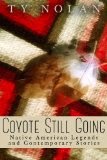
Coyote Still Going: Native American Legends and Contemporary Stories
Ty Nolan

Amazon US (ebook)
Amazon UK (ebook)


Speculative Fiction (excluding fantasy)


New Zapata
Teri Hall

Amazon US (ebook or paper)
Amazon UK (ebook or paper)


Thriller


Eyewitness
Rebecca Forster

Amazon US (ebook or paper)
Amazon UK (ebook or paper)


Young Adult


Thrall
Jennifer Quintenz

Amazon US (ebook or paper)
Amazon UK (ebook or paper)